
Book Appointment Now

Temple Filler Treatments in London
The temple region is among the earliest areas of the upper face to lose structural volume with age. Progressive hollowing in this zone flattens the lateral contour of the face, draws attention to the brow, and can make the surrounding features appear disproportionate. Fine lines and wrinkles often develop concurrently in this area, further contributing to an aged and fatigued appearance. Targeted dermal filler placement addresses this loss directly, restoring the natural convexity of the temporal fossa and rebalancing the upper face.
At our central London clinic, the temple filler procedure is planned around careful anatomical assessment of each patient’s individual facial structure. Volume placement is guided by the degree of hollowing, tissue characteristics, and how the temples relate to adjacent features such as the brow and cheekbones — producing a result that looks refreshed rather than treated.

Consultation and Pricing
Treatment suitability, the clinical plan, and the final cost are all confirmed after consultation and anatomical assessment. Pricing depends on the degree of volume loss, product selection, and treatment complexity.
The figures below are provided for general London market guidance only, based on publicly advertised prices reviewed on 29 April 2026 across 5 London clinics. These are not our clinic’s prices and may not reflect consultation fees, promotional pricing, volume differences, injection technique, or individual treatment planning.
- Single temple filler treatment (1ml): about £300–£500
- Bilateral temple correction: about £400–£600
- Temple filler combined with upper face treatment: £500 and above
- Follow-up or top-up appointment, where offered: from £150
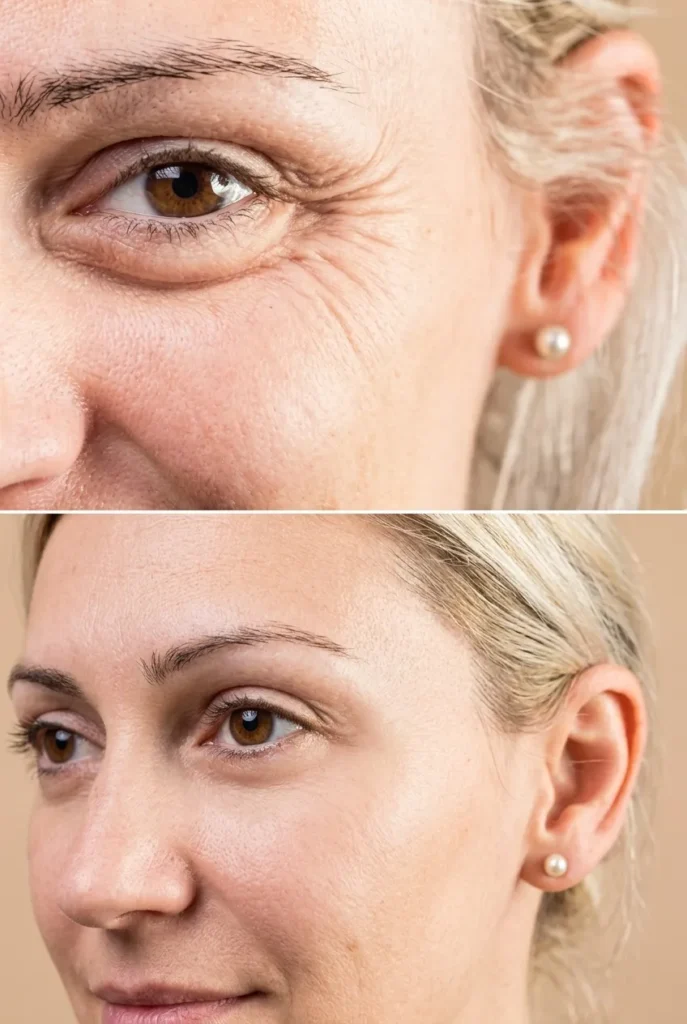
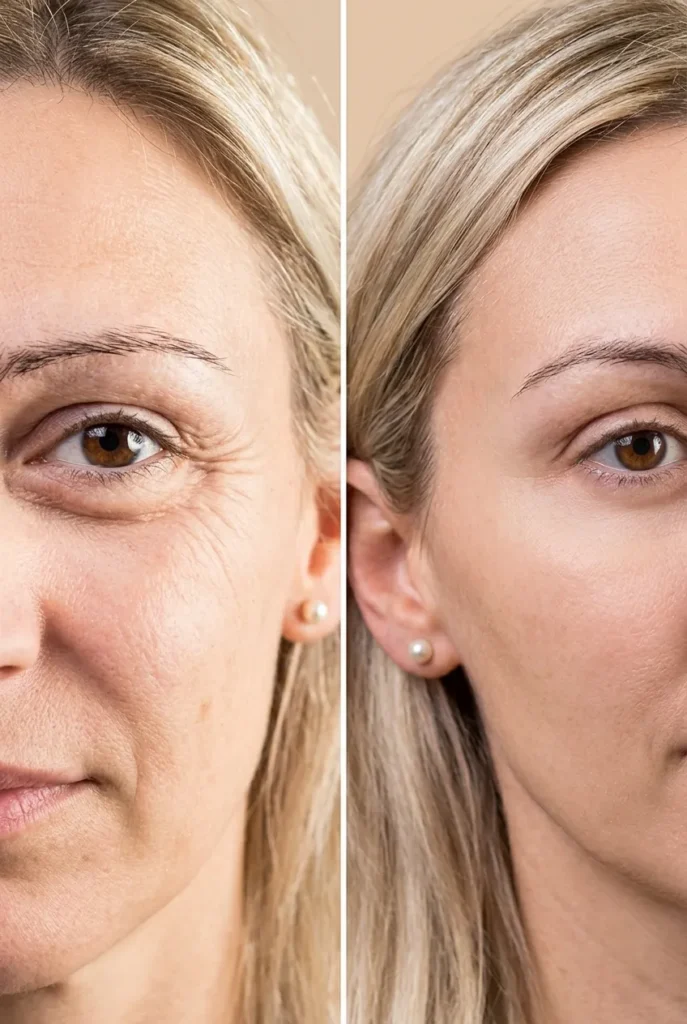
Before and After Temple Filler Treatment
Before treatment, patients commonly present with visible hollowing or concavity in the temporal region, often accompanied by a flattened lateral brow and a gaunt appearance around the eyes. These changes can make the face look disproportionate even when the lower face remains relatively unaffected.
After temple filler injections, the upper face regains a more balanced, rounded contour. The brow and outer eye area benefit from improved structural support, and the overall facial silhouette appears more youthful and proportionate. Final results settle fully over one to three weeks as initial swelling resolves.
Key treatment outcomes:
- Restored volume to sunken or hollow temples
- Improved lateral brow support and upper face definition
- More proportionate facial contour with softened hollowing
- Natural-looking results that integrate with the surrounding facial structure
What is a Temple Filler?
Temple filler is a non-surgical injectable treatment used in modern aesthetics to restore lost volume in the temporal region and rejuvenate the upper face. It involves the use of hyaluronic acid-based dermal filler, a naturally occurring polysaccharide with strong water-binding properties, making it highly effective for volumising areas where structural support has diminished over time. By replenishing volume, this treatment can enhance symmetry and harmonise surrounding facial features.
In the temple area, hyaluronic acid dermal fillers are carefully placed either at the level of the temporalis muscle or within the suprafascial plane, depending on the extent of volume loss and the individual’s anatomy. Because the vascular anatomy in this region is complex, a precise, anatomically informed technique is essential to achieve safe and predictable desired results.
Unlike surgical procedures such as a brow lift or facelift, hyaluronic acid-based fillers offer a flexible, non-permanent solution. If refinement is needed, the product can be dissolved using a specialised enzyme, allowing the area to return to its pre-treatment state while maintaining control over the outcome.
Treatment considerations include:
- Careful vascular assessment before injection in this high-risk area
- Product selection based on tissue depth, hollowing severity, and desired projection
- Reversibility if clinical correction is needed
The Temple Filler Process: Step by Step
01
Initial Consultation
Treatment goals, relevant medical history, and suitability for temple filler are assessed. Previous filler, aesthetic concerns, and expected outcomes are discussed openly.
02
Clinical Assessment and Planning
The temporal region is evaluated in detail, including the degree of hollowing, vascular anatomy, brow position, and structural relationships with adjacent facial zones.
03
Pre-treatment Preparation
The skin is cleansed, and a topical anaesthetic is applied. Clinical photographs are taken for records and outcome comparison.
04
Treatment Delivery
Hyaluronic acid filler is injected using a fine needle or cannula, with placement depth and volume guided by anatomical assessment and the agreed treatment plan.
05
Aftercare and Recovery Guidance
Post-treatment instructions are provided, including activity guidance and swelling management. A review appointment may be offered where clinically appropriate.
Procedure time: 30–45 minutes.
Recovery: Mild swelling and tenderness typically resolve within three to five days, with the final contour visible over one to three weeks.
Benefits of Temple Filler
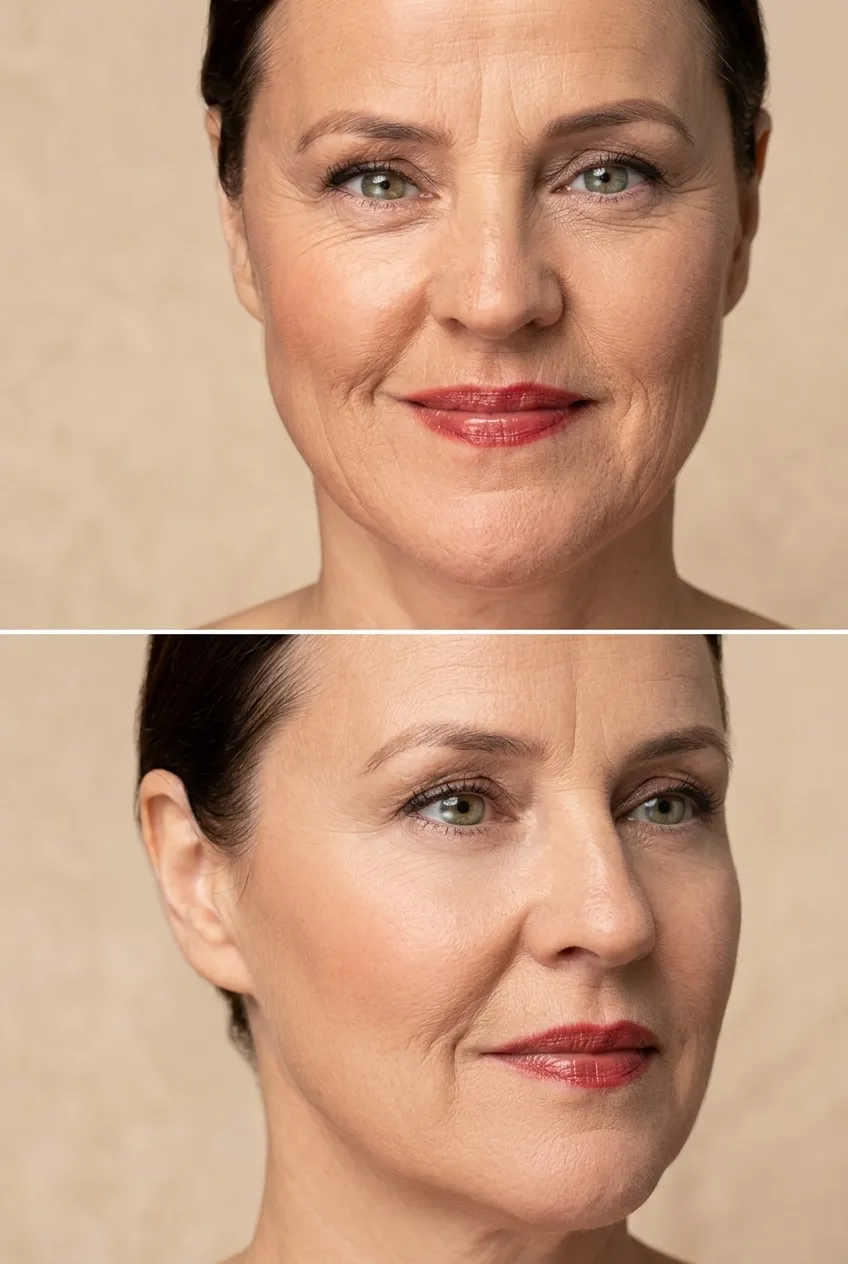
Temple filler addresses one of the most structurally significant areas of upper face volume loss, particularly where lost volume in the temples begins to affect overall facial balance. Through the injection of hyaluronic acid, treatment restores the natural convexity of the temporal region. This filler can help improve the apparent position of the lateral brow, reduce hollow shadows around the outer eye, and create a more harmonious relationship between the upper and lower face, even in cases of pronounced volume loss in this area.
The non-surgical nature of hyaluronic acid filler treatment makes it an accessible option for patients seeking to address visible ageing changes without surgery. Results develop gradually and are designed to provide natural-looking results, avoiding the abrupt or overcorrected appearance sometimes associated with more invasive procedures.
For patients with marked temporal hollowing, targeted treatment can offer structural support to adjacent areas, enhancing overall facial proportions. In this way, filler can help refine the face holistically, often without the need to treat multiple regions at the same time.
Key benefits at a glance:
- Non-surgical, reversible treatment with minimal downtime
- Precise volume restoration using an anatomically guided injection technique
- Improved upper face structure and lateral brow support
- Natural-looking contour improvement settles over one to three weeks
- Dissolution is available if clinical correction is required
Temple Filler Treatment Options
Conservative Volume Restoration
For patients with mild to moderate hollowing, a conservative approach using a soft-grade hyaluronic acid filler restores initial structural support without overcorrection. This approach suits first-time patients or those who prefer a staged treatment plan, allowing results to be assessed before any further volume is considered.
Full Temple Augmentation
Where hollowing is more pronounced or bilateral correction is required, a fuller augmentation with a denser hyaluronic acid formulation restores meaningful volume to the temporal region. This approach is suited to patients with significant volume loss in the temples affecting brow position and upper face balance.
Temple Filler Combined with Adjacent Treatment
For patients with volume loss extending beyond the temporal region, a combined approach incorporating cheek, tear trough, or periorbital treatment may be appropriate. This protocol addresses the interconnected nature of upper face volume loss and produces a more comprehensive rejuvenation of the zone around the eyes.
Available treatment formats include:
- Conservative single-session treatment for mild hollowing or first-time patients
- Standard bilateral augmentation for symmetrical volume restoration
- Staged correction for patients preferring gradual, reviewable progression
- Combined upper face protocol for patients with wider volume loss affecting adjacent areas
Why Choose Us?
Angelika brings over eight years of international medical experience to every treatment, applying detailed anatomical knowledge and advanced injection technique to the precise demands of temple filler.
The temple region carries significant vascular complexity, and treatment in this area requires careful planning and a thorough understanding of underlying anatomy. Angelika’s approach is centred on safe, conservative placement with a preference for staged refinement.
All prescription-only injectable products are prescribed following a face-to-face consultation with GMC-registered prescriber Dr. Ivan, in accordance with UK clinical standards.
What patients can expect from our clinic:
- Eight years of international medical experience in aesthetic injectables
- Hyaluronic acid products from clinically validated brands
- Anatomically guided treatment planning adapted to the individual temporal structure
- Face-to-face prescribing consultation with GMC-registered prescriber Dr. Ivan
- Fully insured aesthetic practitioner operating under UK certification
- Aftercare support and clinical review, where clinically indicated

Disclaimer: Angelika is an aesthetic practitioner, not a medical doctor. Where prescription-only products are clinically appropriate, face-to-face consultation and prescribing are provided by GMC-registered prescriber Dr. Ivan. This treatment is available to patients aged 18 and over.
Frequently Asked Questions
How long does temple filler last?
Longevity varies depending on the hyaluronic acid product selected, the volume of filler used, and the individual’s metabolic rate. In most patients, results in the temple area remain visible for nine to eighteen months. The temporal region tends to be relatively low-movement compared to areas such as the lips, which can support longer-lasting outcomes. Aftercare, lifestyle factors such as sun exposure, and the degree of original hollowing all play a role. Review appointments allow the treating practitioner to assess how the filler has integrated and whether any top-up is clinically appropriate.
Is temple filler a safe treatment?
Temple filler carries specific risks given the vascular anatomy of the temporal region, which contains significant arteries and superficial vessels. Serious complications, including vascular occlusion, are rare but require prompt recognition. Common short-term effects include swelling, bruising, and temporary redness at the injection site. Choosing a practitioner with detailed anatomical knowledge and appropriate training substantially reduces the risk profile. A careful consultation and thorough medical history review are essential before proceeding with any filler injection in this area.
How much filler is needed to treat the temples?
The volume required depends on the degree of hollowing, whether treatment is unilateral or bilateral, and the desired degree of correction. Mild cases may be addressed conservatively with less than 1 ml per side, while more pronounced hollowing may benefit from a staged approach across more than one session. Overcorrection in the temple region is generally more difficult to conceal than in other areas, which is why conservative placement and a structured review process tend to produce better outcomes than a single high-volume treatment.
Does temple filler hurt?
Discomfort is typically mild and well-managed. Topical anaesthetic cream is applied before treatment, and many hyaluronic acid filler formulations contain lidocaine, which reduces sensation during the injection itself. Patients commonly report a feeling of pressure or brief stinging rather than significant pain. The temple area can be more sensitive than some other facial zones, particularly if a needle technique is used rather than a cannula, but most patients tolerate the procedure without difficulty and do not require additional anaesthetic measures.
Is there any downtime after the temple filler treatment?
Downtime is generally minimal. Most patients resume normal activities the same day, although mild swelling and occasional bruising around the injection site are common in the first few days. The temporal region can sometimes show bruising that extends slightly towards the outer eye area, which typically resolves within one to two weeks. Avoiding strenuous physical activity, alcohol, and direct heat for forty-eight hours following treatment supports optimal healing and reduces the risk of prolonged swelling or filler displacement.
Who is a suitable candidate for a temple filler?
Suitable candidates are adults in good general health who have noticed hollowing, concavity, or visible volume loss in the temporal region. The treatment is also appropriate for patients who have experienced weight loss causing facial depletion, or those with naturally flat temple contours affecting upper face balance. Contraindications include active skin infection in or near the treatment area, certain autoimmune conditions, and current use of blood-thinning medication. Suitability is always determined following a full medical history review and clinical assessment of the individual’s anatomy and treatment goals.
When will I see the final results of my temple filler?
An initial volume improvement is typically visible immediately after treatment, though early results are partly influenced by post-injection swelling. As swelling subsides over the first three to five days, the contour settles into a more accurate representation of the final outcome. Full integration of the filler and the definitive shape are usually apparent within one to three weeks. Patients are advised to wait for this settling period before requesting any adjustments, as early assessment can overestimate the degree of correction achieved.
Can temple filler be combined with other treatments?
Temple filler works well alongside other hyaluronic acid dermal filler treatments, particularly tear trough fillers, cheek augmentation, and periorbital correction, as volume loss in the upper face often affects multiple adjacent zones simultaneously. Combination treatment can produce a more cohesive result than addressing individual areas in isolation. The suitability of combining treatments in a single session depends on the patient’s anatomy, the total volume of filler planned, and clinical judgement. Where combination treatment is considered, this is discussed and agreed upon during the consultation.
What are the risks associated with temple filler treatments?
Temple filler treatments carry higher anatomical risk due to the presence of important blood vessels in this area. Common side effects include swelling, bruising, and tenderness, while more serious complications may include infection, asymmetry, or lump formation. In rare cases, inadvertent injection into a blood vessel can lead to vascular occlusion or even vision impairment, requiring urgent medical attention.