
Book Appointment Now

0.5ml Lip Filler Treatments in London
The lips are among the first features to show the effects of age, with progressive thinning, reduced cupid’s bow definition, and a gradual softening of the vermilion border, altering the overall balance of the lower face. A 0.5ml lip filler treatment addresses these changes with measured precision, restoring proportion without introducing dramatic transformation.
At our central London clinic, each treatment is planned around the patient’s natural lip anatomy, tissue condition, and personal aesthetic goals. Rather than applying a uniform approach, this conservative volume allows for targeted placement that enhances the shape of your lips whilst maintaining a result that integrates seamlessly with the surrounding facial structure.

Consultation and Pricing for 0.5 ml Lip Filler
Treatment suitability, the clinical plan, and final cost are confirmed after a face-to-face consultation and thorough assessment. Pricing depends on anatomy, treatment complexity, product selection, and whether correction is limited to the lips alone.
The figures below are provided for general market guidance only, based on publicly advertised prices reviewed in April 2026 across several central London clinics. These are not our clinic’s prices and may not reflect consultation fees, promotional pricing, volume differences, technique variation, or individual treatment planning.
London market guide — 0.5ml lip filler and related treatments:
- 0.5ml lip filler treatment: about £200–£285
- 1ml lip filler treatment: about £285–£400
- Upper lip contour refinement only: about £200–£250
- Lip augmentation with border definition: about £300–£400
- Follow-up or top-up appointment, where offered: from about £150
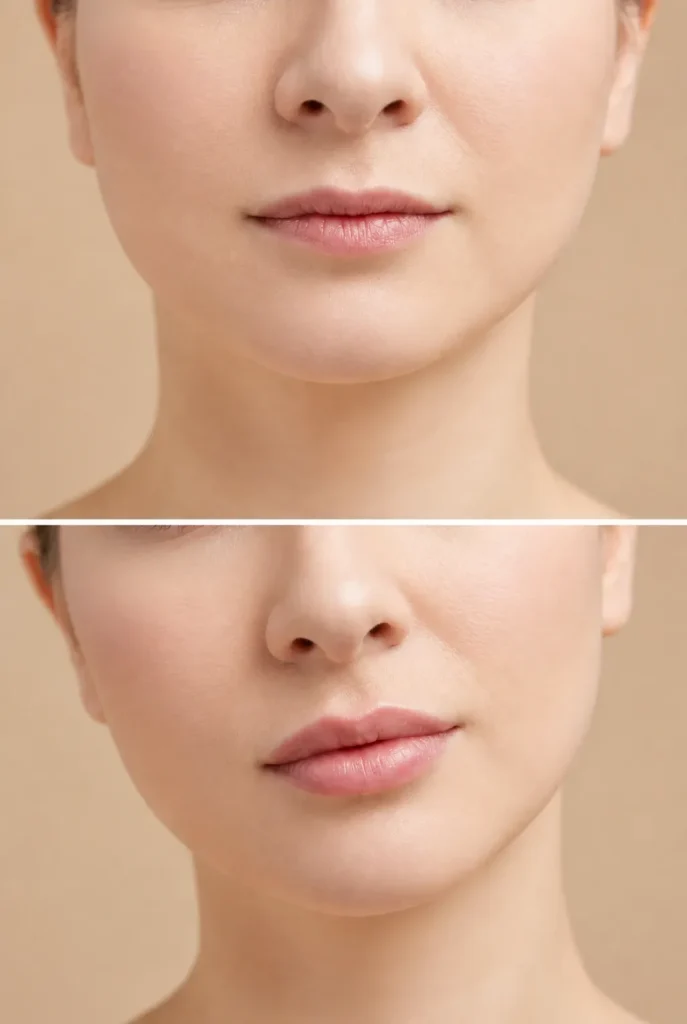
Before and After 0.5 ml Lip Filler Treatment
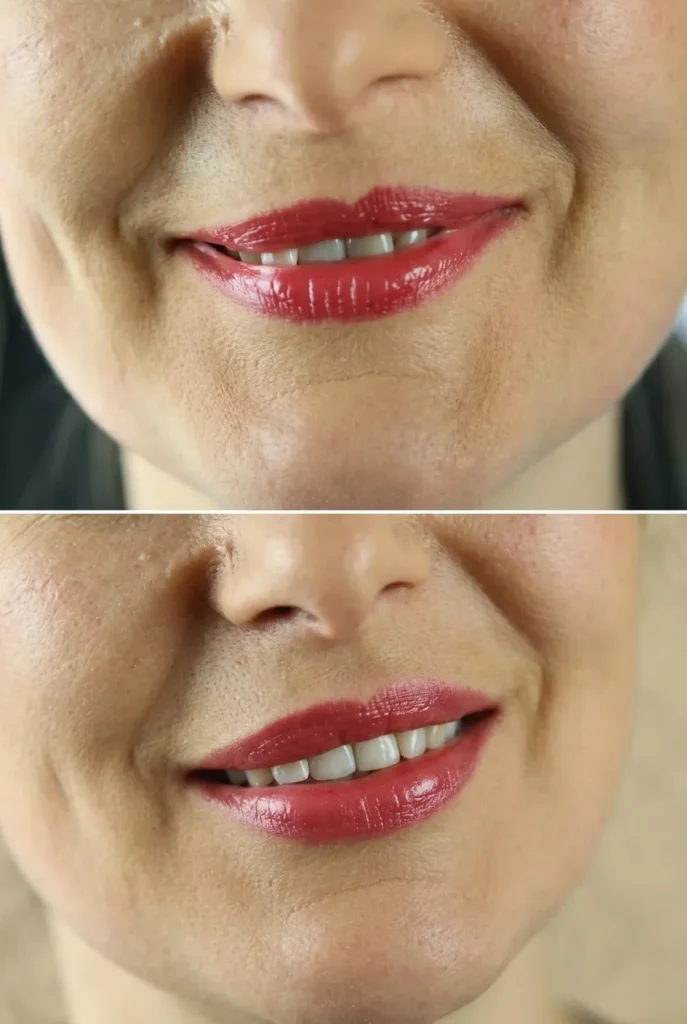
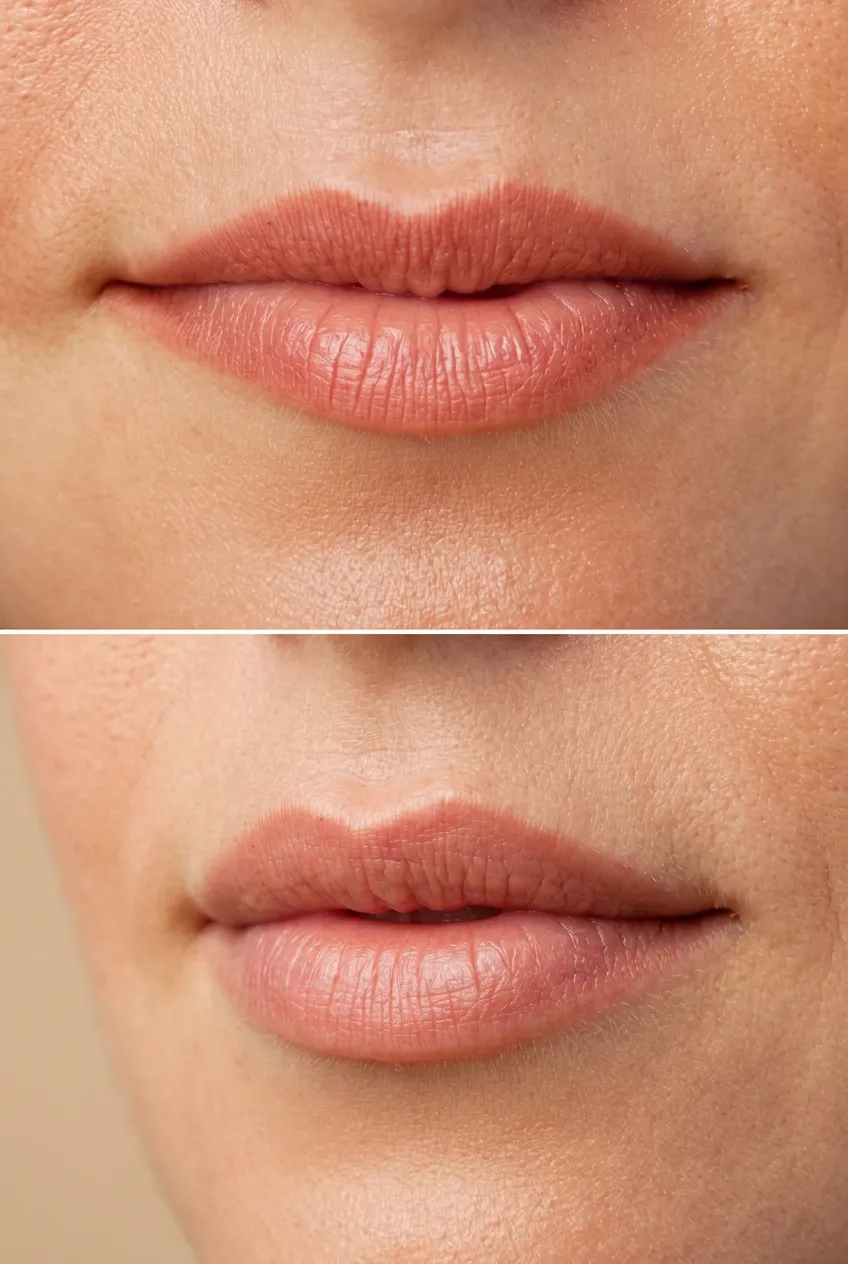
Before treatment, patients presenting for a 0.5ml lip filler consultation often report concerns about thinness, minor asymmetry, or a loss of definition along the vermilion border and cupid’s bow. After treatment, the lip profile appears more balanced and proportionate, with improved contour and a subtle but noticeable increase in volume relative to the lower face.
Results do not appear fully settled immediately. Slight swelling during the first 24–48 hours is a normal part of the healing response and will gradually subside. As the filler settles over one to three weeks, the final shape emerges — typically reflecting a natural enhancement rather than an abrupt change in overall appearance.
Key treatment outcomes:
- Improved definition of the vermilion border and cupid's bow
- Subtle volume and contour restoration in keeping with natural lip shape
- Correction of mild asymmetry between the upper and lower lip
- Enhanced hydration and a plumper, more youthful lip profile
What is a 0.5ml Lip Filler?
A 0.5ml lip filler is an injectable treatment using a precisely measured volume of hyaluronic acid gel introduced into the lips and perioral tissue. Hyaluronic acid is a polysaccharide found naturally within connective tissue, valued clinically for its ability to attract water, build soft volume, and integrate with existing tissue architecture without disrupting surrounding structures.
At this conservative volume, the treatment is particularly well-suited to first-time patients or those seeking natural-looking results rather than a dramatic change. The smaller amount of filler allows for refined placement along the border, targeted plumping of the body, or a combination of both, depending on the individual’s lip anatomy and aesthetic goals.
Hyaluronic acid-based fillers are metabolised gradually by the body over several months. This reversibility is a clinically important feature: volume can be reviewed at follow-up, refined if needed, or dissolved if correction is required at any stage.
Suitable for patients seeking:
- Subtle results without significant volume addition
- First-time lip enhancement with a conservative amount of filler
- Border refinement to enhance the shape of your lips
- Correction of minor asymmetry or mild volume loss
The 0.5ml Lip Filler Process: Step by Step
01
Initial Consultation
Aesthetic goals, concerns, suitability, and medical history are reviewed in detail. Lip anatomy and tissue quality are assessed, and expected outcomes are discussed openly.
02
Clinical Assessment and Planning
The lips are examined for natural asymmetry, border definition, and tissue structure. Filler placement, injection technique, and product selection are determined accordingly.
03
Pre-treatment Preparation
The area is cleansed, and a topical anaesthetic is applied to improve comfort. Clinical photographs are taken prior to any injection.
04
Treatment Delivery
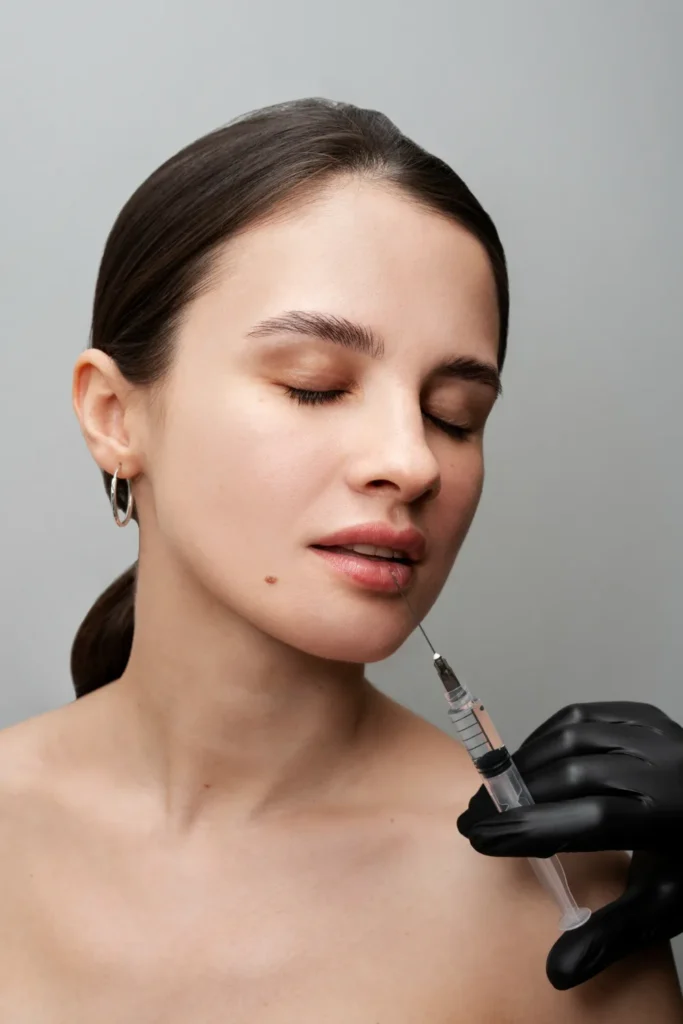
Hyaluronic acid filler is injected using fine needles or a cannula, guided by individual lip anatomy and the agreed personalised treatment plan.
05
Aftercare and Recovery Guidance
Aftercare guidelines are provided to minimise swelling and support healing. A review appointment may be arranged where clinically appropriate.
Procedure time: 30–45 minutes.
Recovery: Slight swelling and tenderness are common in the first 24–48 hours and typically subside within three to five days. Final results settle over one to three weeks.
Benefits of 0.5ml Lip Filler
For patients with naturally smaller lips, early-stage volume loss, or mild asymmetry, a 0.5ml lip filler treatment offers a clinically measured route to improvement. The conservative volume allows a practitioner to personalise placement precisely, enhancing the natural shape of your lips without committing to more product than the anatomy requires.
The reversible nature of hyaluronic acid-based fillers is a practical advantage, particularly for first-timers who wish to explore lip enhancement without a dramatic transformation. Results can be assessed once the filler settles and is refined at a follow-up appointment, supporting a staged, patient-led approach to aesthetic treatments.
Many patients also report improvements beyond volume alone. Hyaluronic acid attracts and retains water within the tissue, which can improve overall hydration, softness, and the appearance of fine vertical lines around the mouth — effects that complement the structural plumping effect of the injection itself.
Key benefits at a glance:
- Conservative, natural-looking result appropriate for first-time patients
- Precise placement to enhance symmetry and contour
- Reversible if correction is required
- Improved hydration and plumpness without a dramatic change
- Non-surgical with minimal downtime and a straightforward recovery
0.5ml Lip Filler Treatment Options
Subtle Volume and Hydration
For patients with naturally thin lips who want a plump and hydrated result without visible augmentation, 0.5ml of a soft-grade hyaluronic acid gel is distributed evenly through the lip body. This approach improves fullness and moisture whilst preserving the natural shape, making it a well-suited choice for first-time patients or those returning for maintenance.
Border Definition and Cupid's Bow Refinement
Where the primary concern is a poorly defined vermilion border or a flattened cupid’s bow rather than overall volume loss, 0.5ml can be directed specifically to the lip line and upper contour. This targeted approach enhances the shape of your lips and improves definition without adding bulk.
Asymmetry Correction
In patients with visible imbalance between the upper and lower lip or between the left and right sides, 0.5ml allows for selective, anatomy-guided placement to correct asymmetry. This approach prioritises proportion and structural balance rather than volume, making it appropriate where the concern is shape rather than size.
Available treatment formats include:
- Conservative 0.5ml treatment for first-timers or subtle natural enhancement
- Border-focused injection to define the lip line and cupid’s bow
- Targeted 0.5ml placement to correct asymmetry and restore proportion
- Combined 0.5ml vs 1ml lip filler planning, staged across sessions where appropriate
- Personalised consultation to determine the optimal amount of filler for individual anatomy
Why Choose Us?
Angelika brings over eight years of international medical experience to each consultation, applying advanced injection technique within a framework built on anatomical understanding and careful clinical planning.
Her approach to 0.5ml lip filler consistently prioritises structure and proportion over volume, producing naturally refined outcomes tailored to each patient’s individual lip shape and aesthetic goals.
All prescription-only injectable products are prescribed following a face-to-face consultation with GMC-registered prescriber Dr Ivan, in full accordance with UK clinical and regulatory standards.
The clinic operates from central London with a consistent commitment to patient safety, transparent market-referenced pricing, and personalised care grounded in evidence-based practice.
What patients can expect:
- Eight years of international medical experience in injectable aesthetics
- Clinically validated hyaluronic acid products from established brands
- Anatomy-guided treatment planning tailored to individual lip structure and goals
- Face-to-face prescribing consultation with GMC-registered prescriber Dr Ivan
- Fully insured aesthetic practitioner operating under UK certification
- Aftercare support and clinical review, where appropriate
Disclaimer: Angelika is an aesthetic practitioner, not a medical doctor. Where prescription-only products are clinically appropriate, face-to-face consultation and prescribing are provided by GMC-registered prescriber Dr Ivan. This treatment is available to patients aged 18 and over.
Frequently Asked Questions
How long does 0.5ml lip filler last?
Longevity depends on the product formulation, the individual’s metabolism, and how active the treated area is during everyday function. The lips are a high-movement area, which means hyaluronic acid-based fillers tend to break down somewhat faster here than in less dynamic facial regions. For most patients, a 0.5ml filler treatment remains visible for approximately six to nine months. Conservative volumes often integrate more naturally with the tissue, which can affect how gradually the result softens. A filler consultation prior to any top-up helps determine the appropriate timing and amount of filler for the next session.
Is a 0.5ml lip filler treatment painful?
Discomfort is generally mild and well-managed. A topical anaesthetic is applied before treatment begins, and most hyaluronic acid filler formulations contain lidocaine, which further reduces sensation during injection. Patients commonly describe a feeling of pressure or brief tenderness rather than sharp pain, particularly when fine needles or a cannula technique is used. Sensitivity varies between individuals and tends to decrease as the anaesthetic takes full effect. Aftercare guidelines recommend avoiding pressure on the treated area in the first 24–48 hours, which also helps manage any residual tenderness during the initial recovery period.
How does 0.5ml compare to 1ml lip filler?
The distinction between 0.5ml vs 1ml lip filler is primarily one of degree rather than technique. A 0.5ml treatment provides a subtle but noticeable improvement — refined contour, improved hydration, and a slight increase in volume — without producing an obviously augmented appearance. A 1ml treatment delivers more pronounced plumpness and is better suited to patients with marked volume loss or a preference for a fuller pout. For first-timers, starting with 0.5ml allows both practitioner and patient to assess the result before deciding whether additional product would further enhance the shape of your lips. Staged treatment of this kind is often preferable to committing to a larger amount of filler in a single session.
Is there any downtime after a 0.5ml lip filler injection?
Downtime is minimal for most patients. Slight swelling and occasional bruising are the most common short-term effects and typically subside within three to five days. These responses are a normal part of the healing process and are not indicative of a problem. Activity can usually resume the same day, though aftercare guidelines advise avoiding strenuous exercise, alcohol, and direct heat for the first 24–48 hours. As the filler settles over the following weeks, any early puffiness resolves, and the natural contour of the treated area becomes easier to assess. Patients are encouraged to wait for this settling period before requesting any adjustments.
Who is a suitable candidate for 0.5ml lip filler?
Suitable candidates are adults in good general health who wish to address mild volume loss, asymmetry, or reduced border definition without a dramatic change in appearance. The treatment is particularly appropriate for first-time patients, those with naturally smaller lips seeking subtle results, or individuals maintaining an established result with a conservative top-up. Suitability depends on lip anatomy, skin condition, medical history, and aesthetic goals, all of which are assessed during the initial filler consultation. Patients with active infections around the mouth, certain autoimmune conditions, or a history of severe allergic reactions may not be suitable and should discuss this openly during assessment.
When will I see the final result of my 0.5ml lip filler?
An immediate change is visible after treatment, but this early appearance includes a degree of swelling that can temporarily exaggerate the result. As slight swelling subsides over the first few days, the lip profile begins to settle into a more representative shape. The filler continues to integrate with the surrounding tissue over approximately one to three weeks, after which the final contour and volume become fully apparent. Patients seeking natural-looking results are advised to wait for this settling period before drawing conclusions about the outcome or requesting any adjustments at a review appointment.
Can 0.5ml lip filler correct asymmetry?
Yes, in cases of mild to moderate asymmetry, a carefully planned 0.5ml treatment can meaningfully improve balance between the upper and lower lip or between the two sides of the mouth. The success of this approach depends on the nature and degree of the asymmetry, the patient’s underlying anatomy, and how precisely the filler is placed. During the clinical assessment, Angelika examines the natural shape, tissue structure, and the specific character of any imbalance to determine whether 0.5ml is sufficient or whether a staged approach across more than one session would produce a more reliable result. Not all asymmetry is fully correctable with filler alone, and realistic expectations are discussed openly at consultation.
What are the risks associated with 0.5ml lip filler treatments?
A 0.5 ml lip filler treatment is relatively conservative, but it still carries potential risks. Common side effects include swelling, bruising, tenderness, and temporary asymmetry, while less common complications may involve infection, lumps, or migration of the filler. In rare cases, accidental injection into a blood vessel can lead to vascular occlusion, which is a serious condition requiring immediate medical care.
What aftercare is needed following 0.5ml lip filler?
Post-treatment care is straightforward and does not require significant disruption to daily routine. In the first 24–48 hours, patients are advised to avoid touching or applying pressure to the treated area, to stay away from intense heat sources such as saunas and hot yoga, and to limit alcohol and strenuous physical activity. These aftercare guidelines help to minimise swelling and reduce the risk of bruising or product migration. Keeping the area clean and avoiding any cosmetic procedures near the lips during the initial recovery period also supports optimal healing. A clinical review may be arranged where appropriate, providing an opportunity to assess the result once the filler has fully settled.