
Book Appointment Now

Cheek Filler Treatments in London
As collagen and elastin decline with age, the fat pads in the cheek gradually diminish, causing the mid-face to flatten. The area loses natural projection and the overlying skin begins to sag. Cheek fillers restore volume and re-establish the structural support that keeps the lower face defined.
At our clinic in London, treatment is designed around each patient’s facial structure and degree of volume loss. A bespoke treatment plan is developed following an initial consultation, with hyaluronic acid injected at precise depths to achieve natural looking results that rejuvenate the mid-face while preserving the face naturally.
Consultation and pricing
The final treatment plan and cost are confirmed after consultation and clinical assessment. Pricing depends on cheek anatomy, the amount of support required, product volume, and whether treatment is limited to volume replacement or forms part of a broader mid-face plan.
The figures below are provided for general market guidance only, based on publicly advertised prices reviewed on 10 April 2026 across 6 London clinics. These are not our clinic’s prices and may not include consultation fees, promotional pricing, technique differences, or individual treatment planning.
- Cheek filler using 1 syringe for early or mild volume loss: about £350
- Cheek filler using 2 syringes for bilateral correction: about £550
- More advanced mid-face restoration plans: about £700 to £800
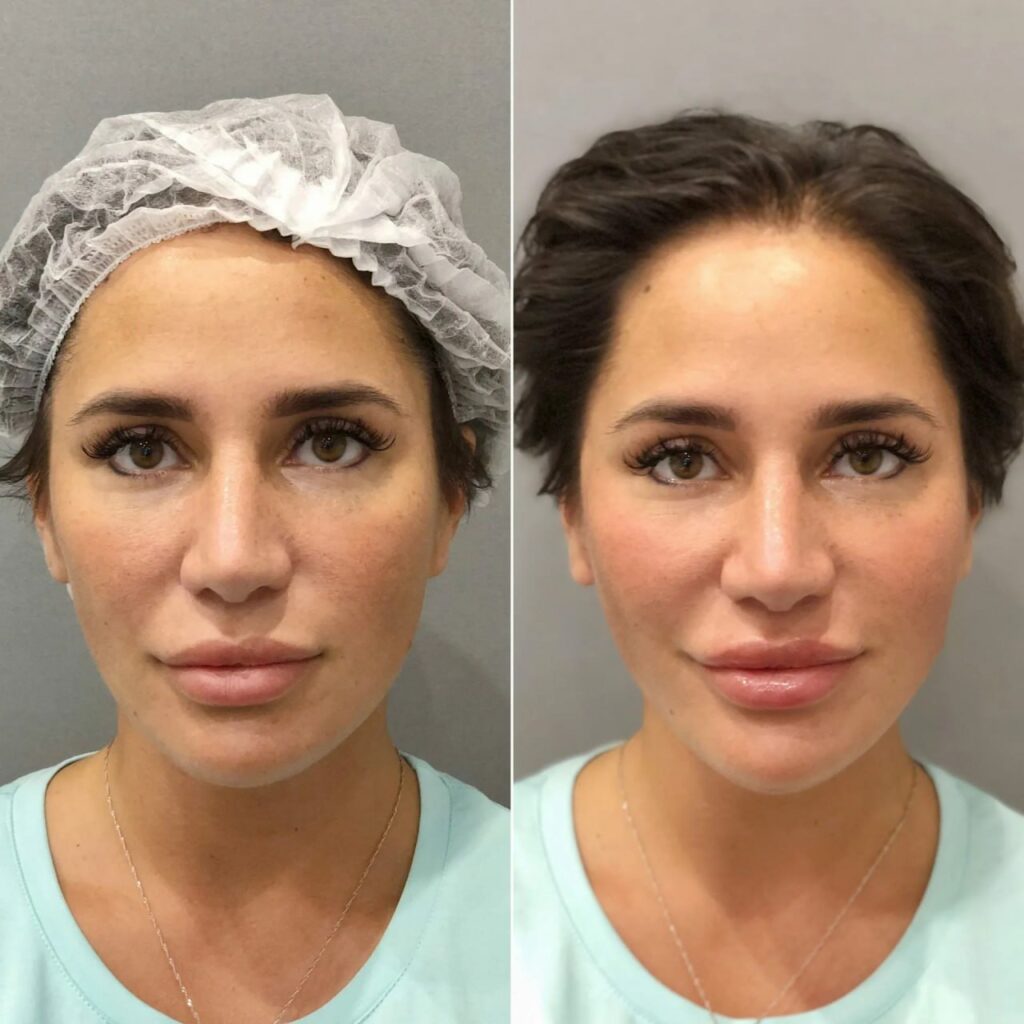
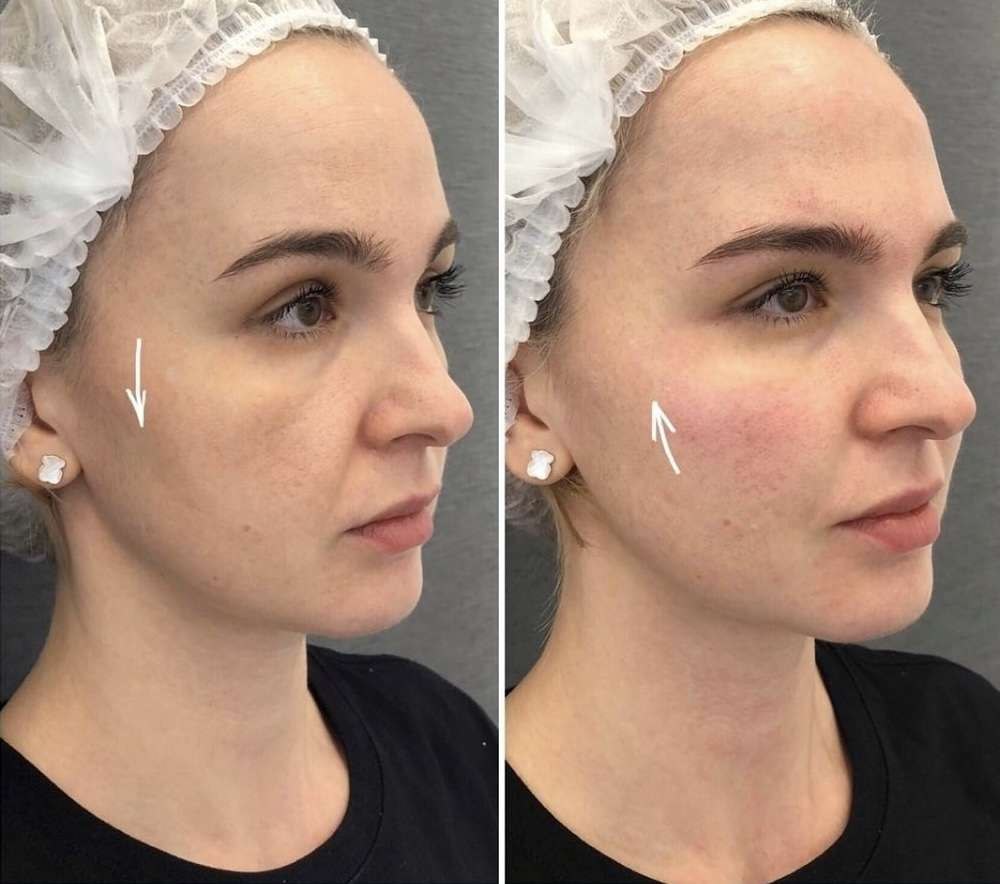
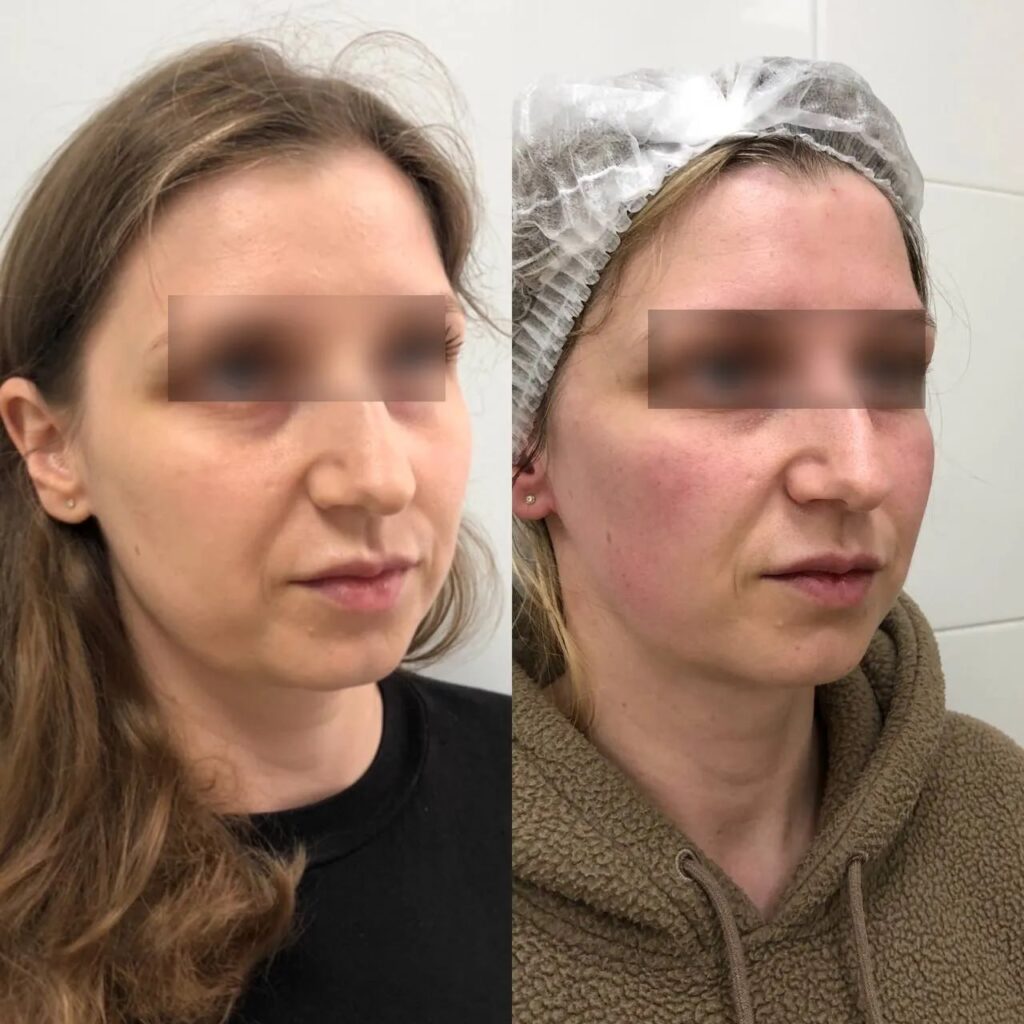
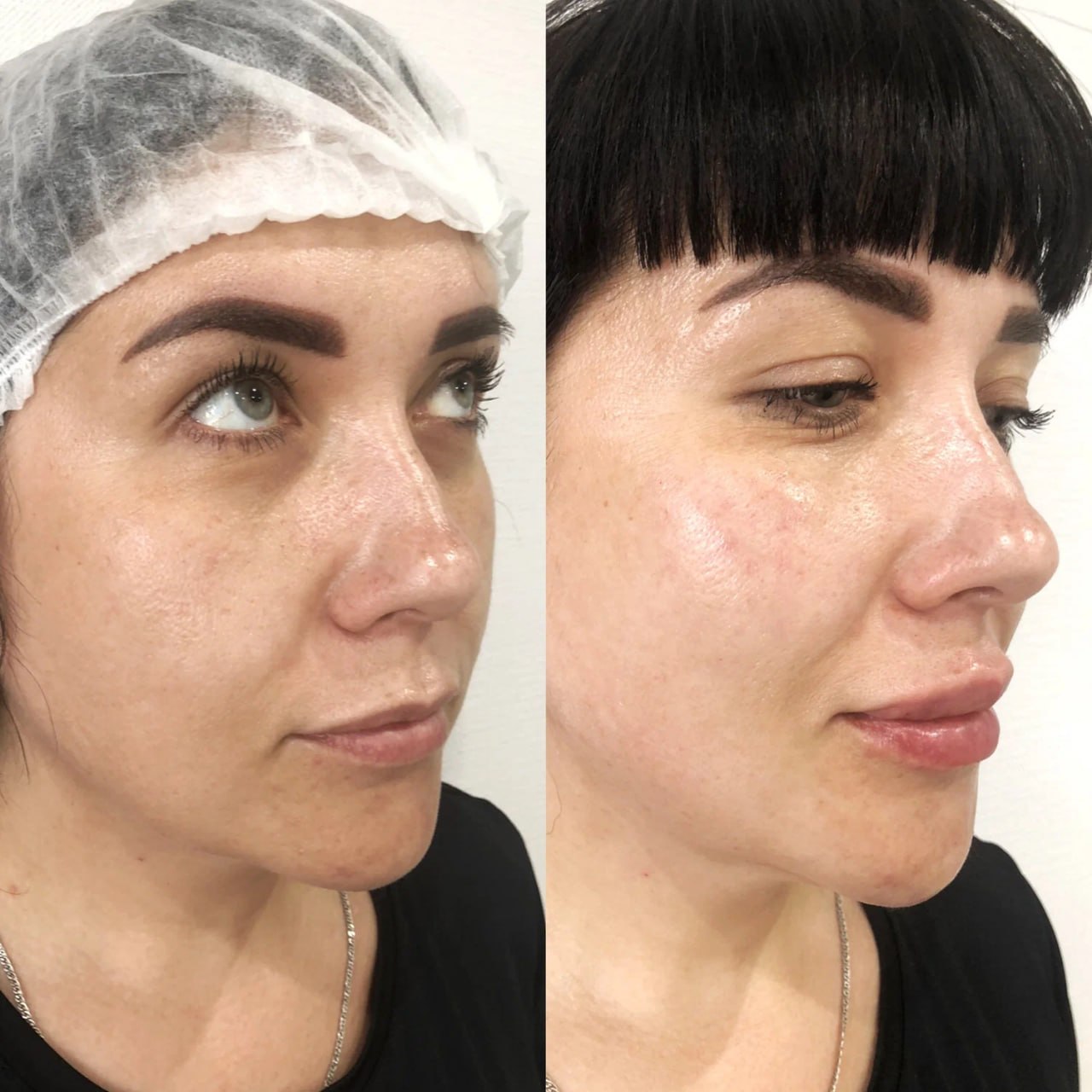
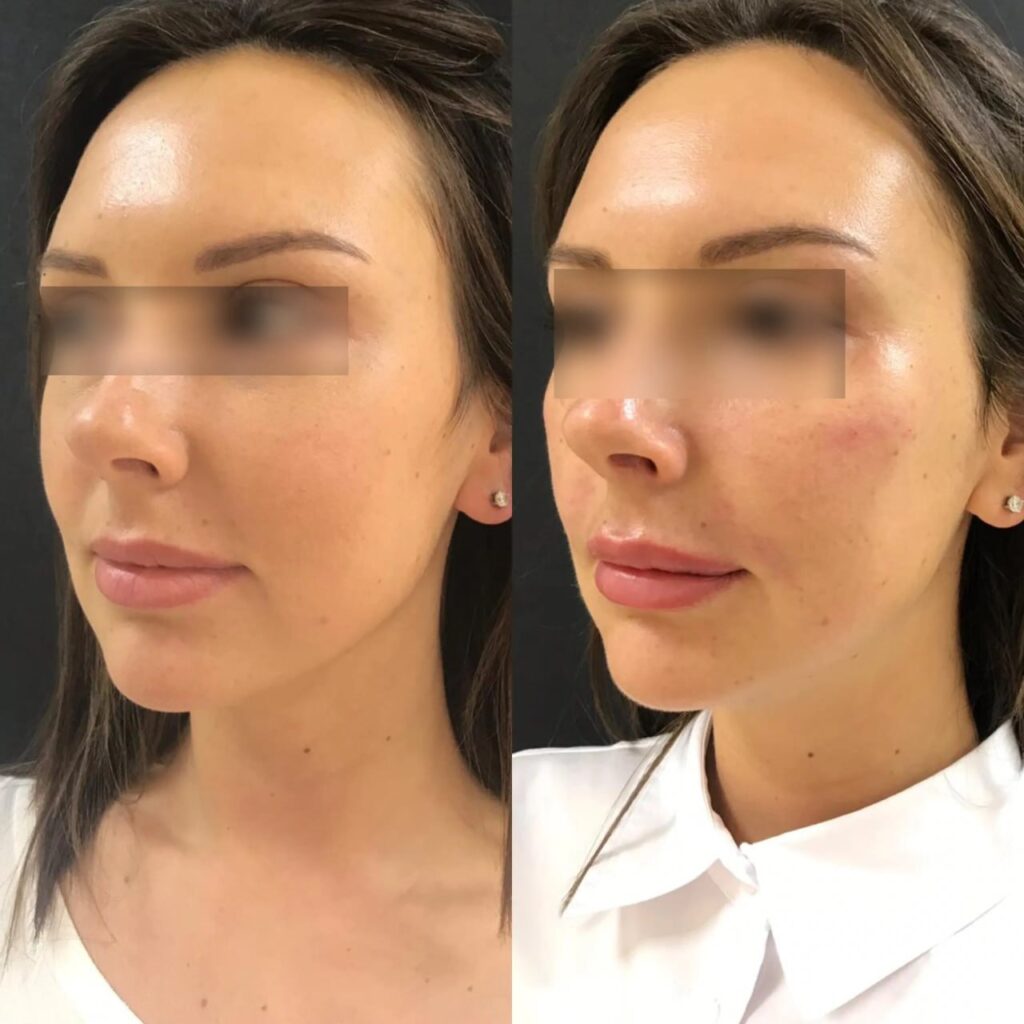
Before and After Cheek Filler Treatment
Immediately following treatment, the area may appear slightly fuller due to initial swelling. As the hyaluronic acid settles and the filler integrates naturally into surrounding tissue, the final contour emerges gradually. Most patients observe the complete result between one and three weeks after treatment.
Visible changes typically include lifted cheekbones, improved support for the lower face, and a reduced prominence of jowls where the skin had begun to sag. The treated area reflects light more evenly, lending a youthful, structured quality to the mid-face without distorting natural proportions.
Key treatment benefits:
- Restored volume without surgical intervention
- Improved cheekbone definition and mid-face projection
- Reduced sagging along the lower face and jowl region
- Natural looking results that develop gradually over one to three weeks
What is Cheek Filler?
Cheek fillers are injectable treatments that use hyaluronic acid to restore lost volume in the mid-face. Hyaluronic acid is a natural substance within the body, capable of binding water molecules and providing both hydration and structural support within deeper soft tissue.
When injected into the cheek area, facial fillers integrate into surrounding tissue, providing lift and support to the overlying skin. The placement of product can lift the cheekbone, refine the mid-face contour, and indirectly reduce the appearance of sagging along the lower face and jowl region.
Modern hyaluronic acid fillers are formulated with cross-linking technology that determines their cohesivity and longevity. Products intended for augmentation are generally denser than fillers used in more superficial skin areas, allowing them to support facial structure at depth with a reduced risk of migration over time.
The Cheek Filler Process: Step by Step
01
Initial Consultation
Treatment goals, anatomical concerns, skin quality, and relevant medical history are assessed to determine suitability and establish a personalised treatment plan.
02
Clinical Assessment and Planning
Facial structure is assessed with attention to mid-face volume, cheekbone prominence, and the proportional relationship between the treatment area and lower face.
03
Pre-treatment Preparation
The skin is cleansed, a topical numbing agent may be applied, and injection sites are marked to guide precise placement.
04
Treatment Delivery
Hyaluronic acid is precisely injected into the cheek at the appropriate depth to restore volume, support the cheekbone, and refine the mid-face contour.
05
Aftercare and Recovery Guidance
Post-treatment advice covers swelling, bruising, activity restrictions, and product-specific aftercare to support optimal integration and skin recovery.
- Procedure time: 30–45 minutes
- Recovery: Mild swelling or bruising may occur; most patients resume normal activities within 24 to 48 hours.
Benefits of Cheek Filler Treatment
Cheek filler treatment offers a non-surgical means of addressing volume loss that develops progressively with age. By restoring volume to the cheeks, the treatment can simultaneously lift and support the face naturally, reducing the downward pull that contributes to jowl formation and skin laxity along the lower face.
For patients who prefer a reversible and gradual approach over a surgical procedure, dermal fillers offer a practical alternative. Results typically last between twelve and eighteen months, require no significant downtime, and allow most patients to resume normal activities shortly after their appointment.
Beyond restoring lost volume, hyaluronic acid fillers may provide an additional benefit over time: the stimulation of collagen production in the treated area. This cumulative effect means that with successive treatments, skin quality in the region may improve independently, lending an increasingly refined appearance to the mid-face.
Key benefits:
- Non-surgical treatment requiring no general anaesthesia
- Immediate volumisation with results that refine over one to three weeks
- Ability to lift and support the face naturally, reducing the visual impact of jowls
- Reversible; hyaluronic acid is dissolvable should adjustment be required
- Minimal downtime, with most patients resuming normal activities the same day
- Potential long-term improvement in skin quality through stimulation of collagen and elastin
Cheek Filler Treatment Options
Subtle Volume Restoration
For patients in the early stages of mid-face volume loss, a single syringe of hyaluronic acid may be sufficient to restore gentle projection to the cheekbone and improve the upper contour without producing a pronounced change in facial appearance.
Moderate Mid-Face Correction
Where volume loss is more advanced, a two-syringe approach allows for more comprehensive augmentation. Product is distributed across the area to improve support for the overlying skin and soften the structural transition into the lower face and jowl region.
Full Mid-Face Rejuvenation
A combined treatment plan including dermal fillers alongside related injectable treatments may suit patients with significant volume loss across multiple facial zones. This approach addresses the mid-face in context, accounting for the structural relationship between the cheek area and surrounding anatomical regions.
Treatment options include:
- Single syringe for mild, early-stage cheek volume loss
- Two-syringe protocol for moderate correction across the cheek and lower face
- Combined mid-face treatment plan for patients with broader volume concerns
- Bespoke treatment planning based on anatomy, skin quality, and individual goals
- All options reviewed and confirmed during the initial consultation
Why Choose Us?
Cheek filler treatment at our London clinic follows a structured clinical process, from initial consultation through to personalised post-treatment aftercare.
Angelika brings over eight years of international medical experience to each injectable treatment, applying advanced injection techniques within strict UK safety standards and contemporary aesthetics practice.
Where prescription-only products are clinically required, Dr. Ivan provides the necessary face-to-face consultation and issues prescriptions in accordance with UK regulatory requirements.
Treatment planning is thorough and personalised, with each bespoke plan reflecting the specific anatomy and individual goals of the patient.
Why patients choose this clinic:
- Qualified aesthetic practitioner with international medical training and full UK certification
- Collaborative prescribing model with GMC-registered support from Dr. Ivan
- Bespoke treatment planning built around individual anatomy and aesthetic goals
- Clinical-grade hyaluronic acid fillers used throughout
- Clear aftercare guidance provided following every appointment
- No treatment delivered without prior clinical assessment
Disclaimer: Angelika is an aesthetic practitioner, not a medical doctor. Where prescription-only products are clinically appropriate, face-to-face consultation and prescribing are provided by GMC-registered prescriber Dr. Ivan.
Frequently Asked Questions
How long do the results last?
How long do the results last depends on product density, injection depth, metabolism, and how much support is needed across the mid-face. In most patients, correction lasts between twelve and eighteen months. Hyaluronic acid is gradually broken down by the body over time, but with repeat appointments the area can often be maintained more efficiently. During consultation, the practitioner can explain how individual anatomy, filler choice, and a structured treatment plan for the best long-term outcome influence durability.
Is cheek filler treatment safe?
Like all filler injections, cheek treatment carries a recognised risk profile that should be discussed thoroughly before the procedure. Common short-term effects include swelling, tenderness, and bruising, while rarer complications require prompt clinical management. At our clinic London patients are assessed carefully before any product is placed. Safety depends on anatomy, technique, product choice, and medical history. In aesthetics, the best results come from careful planning rather than aggressive correction or excessive volume.
How much filler is needed for the cheeks?
The amount required depends on the degree of volume loss, facial proportions, and the treatment goal agreed during consultation. Some patients need only one syringe across both sides, while others benefit from a broader plan, particularly where the aim is to restore support and enhance natural structure. Because fillers provide structural lift rather than simply adding bulk, the correct quantity should only be decided after assessment. This helps achieve results that enhance natural facial balance rather than overwhelm it.
Does cheek filler treatment hurt?
Discomfort is usually manageable. A topical numbing cream is applied before the procedure, and many fillers contain integrated local anaesthetic, which helps reduce sensitivity during injection. Patients typically describe pressure or mild stinging rather than acute pain. The area is generally easier to numb than some other facial zones. When product is placed carefully and at the correct depth, most people tolerate the procedure well and can return to routine activity shortly afterwards.
Is there any downtime after cheek filler?
Cheek filler treatment requires no significant downtime for most patients. Swelling or bruising is common in the first 24 to 48 hours, and mild fullness may persist for several days before settling. Patients are usually advised to avoid heat, strenuous exercise, and direct pressure in the early period after treatment. Because fillers are a non-surgical option, recovery is far shorter than with operative procedures. This is one reason many patients choose fillers to treat age-related volume loss without disrupting daily life.
Who is a suitable candidate for cheek filler treatment?
Cheek filler is generally suited to adults in good health who have noticed flattening through the mid-face, loss of contour, or reduced support contributing to a tired appearance. It may also suit patients looking to enhance natural structure without surgery. Suitability is always based on anatomy, medical history, and treatment goals. Patients who are pregnant, breastfeeding, or have active skin infection in the area are usually not treated until it is clinically appropriate to proceed.
When will I see the final result?
An immediate improvement in volume is often visible, although early swelling can briefly make the outcome look fuller than expected. Over the following one to three weeks, the product settles and the contour becomes clearer. As this happens, the filler integrates naturally within the tissue and the final shape appears more refined. Patients usually see the most reliable result after two to three weeks, when the treated area has settled and the mid-face support looks more balanced and natural.
Can cheek fillers help with jowls?
Cheek treatment does not directly remove jowls, but it can improve the structural support above them. By restoring volume to the mid-face, fillers can help reduce the visible heaviness that develops lower down and may lift jowls indirectly in selected patients. The extent of change depends on anatomy, skin quality, and the severity of laxity. Where appropriate, the clinician may discuss a broader plan including dermal fillers in other zones if more comprehensive support is required.
What type of product is used in the cheeks?
Products used for mid-face correction are usually denser hyaluronic acid formulations designed to hold structure at depth. Hyaluronic acid is a natural molecule found in the body, and modern fillers contain cross-linked technology that improves support and longevity. The exact product depends on anatomy, degree of volume loss, and the desired contour. A practitioner may choose different facial fillers for different patients because the goal is not simply to add fullness, but to restore natural facial support with precision.
Why is consultation important before treatment?
Consultation is essential because the face must be assessed as a whole before any plan is made. At a clinic in London or a well-known street clinic, responsible practitioners review anatomy, skin quality, prior treatments, and the patient’s goals before recommending any injectable procedure. This is especially important where multiple concerns are present, including dermal fillers in more than one area. Careful planning helps lift the skin where support has been lost, improve balance, and produce the best results with an appropriate treatment pathway.